Press
Powering a more sustainable cold chain at NewCold Piacenza

Cold storage is energy intensive by nature. Refrigeration has to run around the clock, which makes reliable and efficient energy fundamental to both operational performance and climate goals.
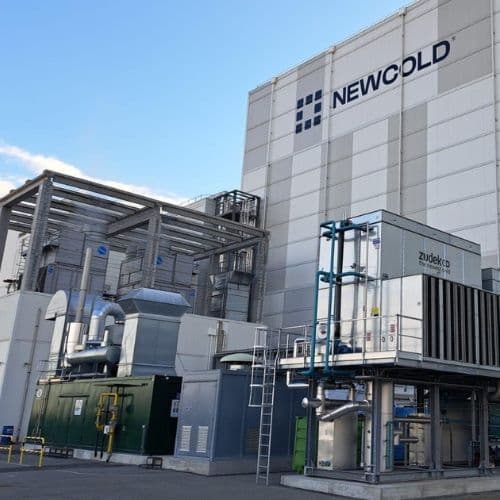
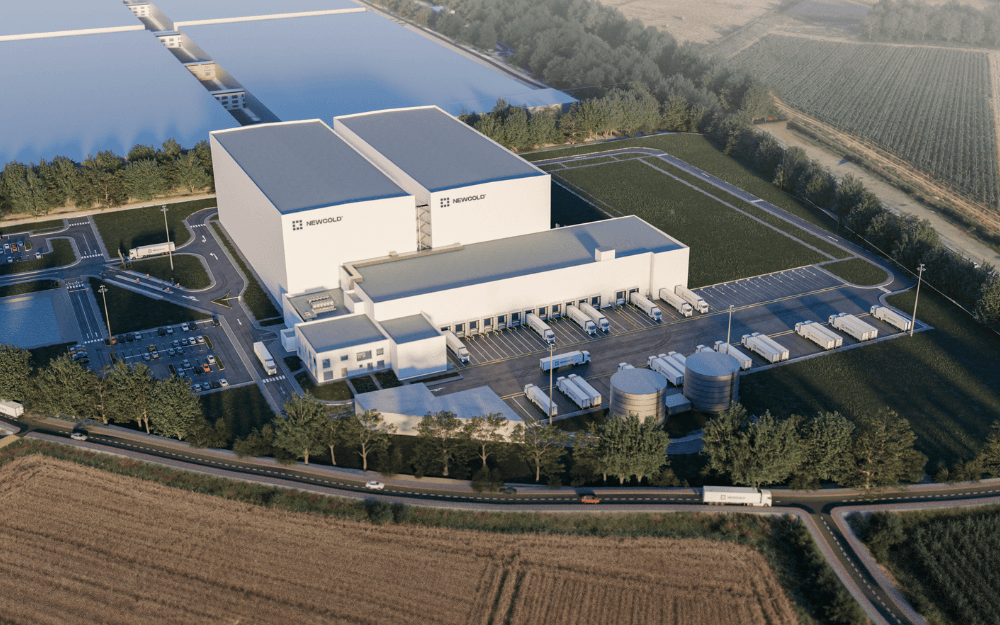
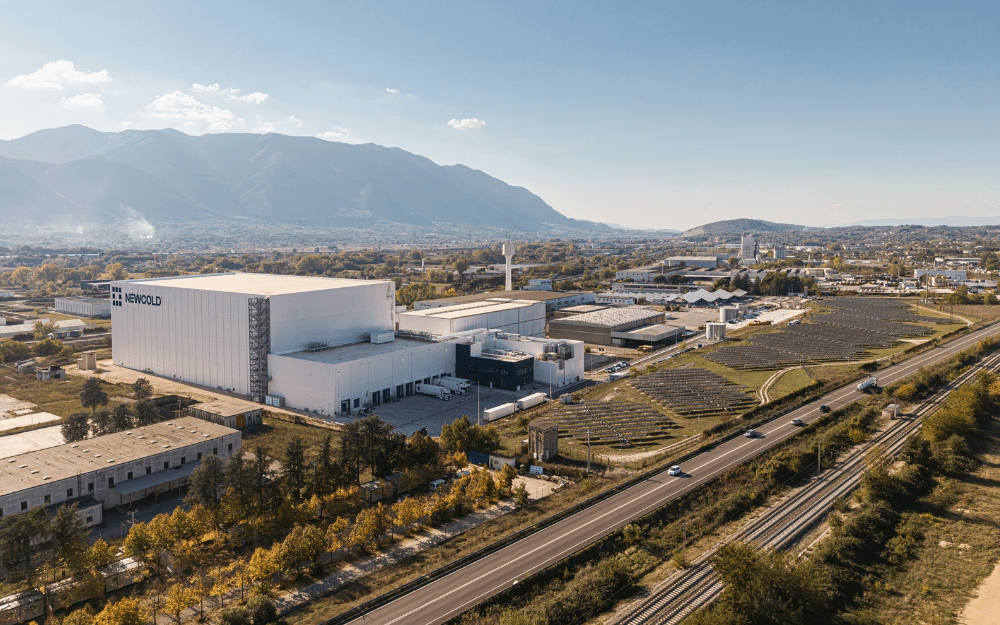
At NewCold’s Piacenza facility in Italy, that challenge has led to a different approach. Rather than relying on a single technology, the site brings solar power, combined heat and power (CHP), an absorption chiller and intelligent energy management together into one integrated energy system. The result is a facility that can produce and manage all of our energy needs, cutting emissions and strengthening resilience. Piacenza is moving from simply consuming energy to actively generating, recovering and managing it.
Generating on-site
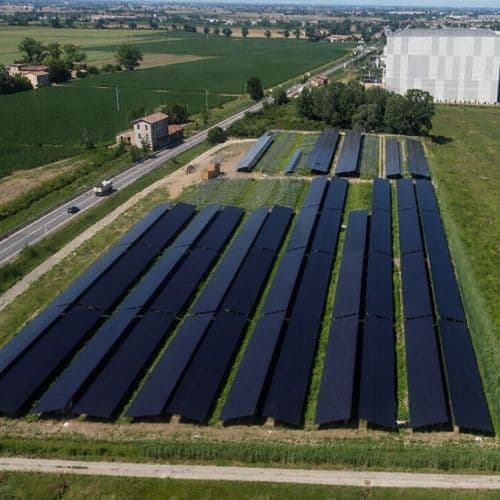
At the heart of the project is Piacenza’s ground-mounted solar park, the first of its kind within NewCold and the company’s largest solar installation to date. The solar park is expected to generate approximately 3 GWh of renewable electricity a year, enough to power around 1,100 Italian households. When solar production is high, it can cover more than 100% of the facility’s daytime electricity demand.
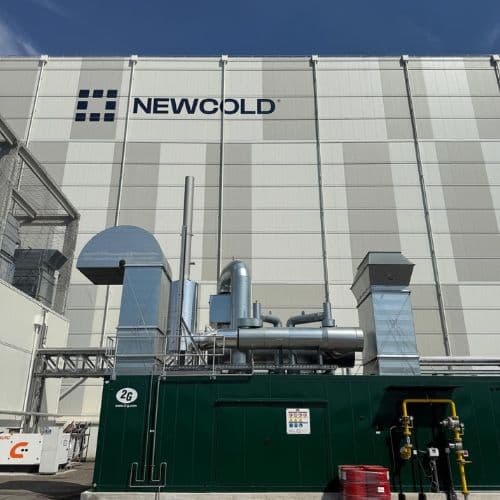
Alongside it, the site’s CHP unit, which produces electricity and heat at the same time, has been running since October 2026. It can generate more than 8 GWh of electricity a year, equivalent to the annual consumption of around 3,000 Italian households. Together, solar and CHP can produce over 11 GWh a year, enough for more than 4,100 homes.
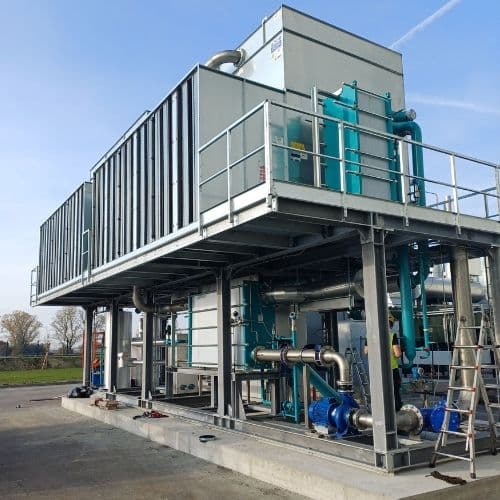
But electricity is only part of the story. Instead of letting the CHP’s heat escape, NewCold Piacenza recovers it and uses it to drive an absorption chiller, turning it into cooling for the cold store.
It is a simple but powerful idea:
CHP generates power & heat → Power supplies the site → Heat is recovered and used to make cooling → Cooling keeps the warehouse cold
Energy that would normally be lost becomes another input to the operation.
The “brain” behind the system
An Energy Management System (EMS) will bring everything together and can be described as the brain behind the system. Once integrated, it will act as the facility’s energy brain, coordinating solar, CHP, refrigeration and the grid instead of having each system operate independently.
When solar generation is high, the EMS will help maximize the use of renewable electricity. When solar availability falls, CHP and the grid can complement it. At the same time, it will help align energy use with the needs of the refrigeration operation. The real innovation is not any single technology. It is making them all work together.
Greater energy autonomy
For NewCold, energy autonomy does not mean disconnecting from the grid. It means being able to produce and manage a large part of a facility’s energy needs on-site, while keeping the flexibility to draw on the grid when needed.
That distinction matters in cold storage. Refrigeration cannot simply stop when electricity prices rise or the grid is disrupted.vGenerating more energy on-site and managing it intelligently reduces exposure to electricity price volatility, lowers emissions and strengthens operational resilience. By relying less on grid electricity, the setup is expected to avoid nearly 500 tonnes of CO₂ emissions a year.
A model for other sites
Piacenza reflects a core belief at NewCold: environmental performance and operational performance do not have to compete. The facility still has to deliver reliable temperature control and the service levels customers expect. That is why the energy infrastructure was designed around the needs of the operation, rather than treated as a separate sustainability project. The setup lays the groundwork for future technologies such as battery energy storage, which could further increase the site’s ability to store, optimize and control its energy.
The model supports NewCold’s ambition to progress towards net-zero Scope 2 emissions by 2035. For customers such as Sammontana, it helps reduce the carbon intensity of their cold-chain operations as they work towards their own climate goals. The lessons learned in Piacenza can be adapted and applied across NewCold’s global network.
“Cold storage never switches off, so energy is never a side topic for us,” says Luca Quaresima, Country Manager Italy at NewCold. “What makes Piacenza special is that solar, CHP and cooling now work as one system. That gives us more control, more resilience and a clear blueprint for how we power our sites in the future.”
Piacenza offers a practical glimpse of the future of cold storage: a facility where energy is generated, recovered and intelligently managed as one integrated system.
NewCold offers exciting and fulfilling career opportunities around the world.