Press
The throughput era. Why the future of the cold chain will not be built on storage alone
For decades, the cold chain has been judged by one measure: capacity.
How many pallets can you store? How many cubic meters can you refrigerate? How big is your footprint?
But the industry is changing fast, even if many long-standing providers have not yet seen it.
We are entering what I call the throughput era.
The old model: bigger buildings and bigger inventories
Traditional temperature-controlled logistics rewarded size.
Producers manufactured ahead of demand, retailers built buffers to guard against uncertainty, and warehouses grew outward to handle peak volumes.
This model worked for a long time.
Until it did not.
The pandemic exposed how fragile storage heavy networks can be. Labor shortages, rising interest rates, and tougher retailer expectations forced producers to question an old assumption: “More inventory means more safety.”
Today the logic has flipped.
Why lower inventories now signal a stronger supply chain
Across regions and product categories, producers are lowering inventory levels. This is not a sign of weak demand. It is a sign of supply chains being redesigned for speed instead of static volume.
Lower inventories now create:
In an automated environment, this shift is a major advantage.
Manual warehouses depend on storage margins.
Automated networks gain most of their value from handling movements which occur ten to fifteen times more often than static storage touches.
Automation is not only an operational benefit. It is an economic one.
Retail trends are accelerating the shift
Consumer behavior is changing the flow of goods. Restaurant prices have increased faster than grocery prices for more than two years, which is pushing more consumers back to retail food channels.
Retail growth leads to more product turns.
More turns lead to higher throughput.
Higher throughput creates more value in an automated network.
Producers that lean into this shift are quickly becoming leaders in both cost and service.
Automation: the only model designed for speed
Manual warehouses were built for a world where inventory sat still.
They struggle when:
Automated warehouses are built for movement. They thrive when the network is dynamic and unpredictable. This is why automation is becoming the backbone of modern supply chains rather than a nice to have upgrade.
How NewCold already enables the throughput era
This shift is not theoretical. It is happening inside NewCold sites every day.
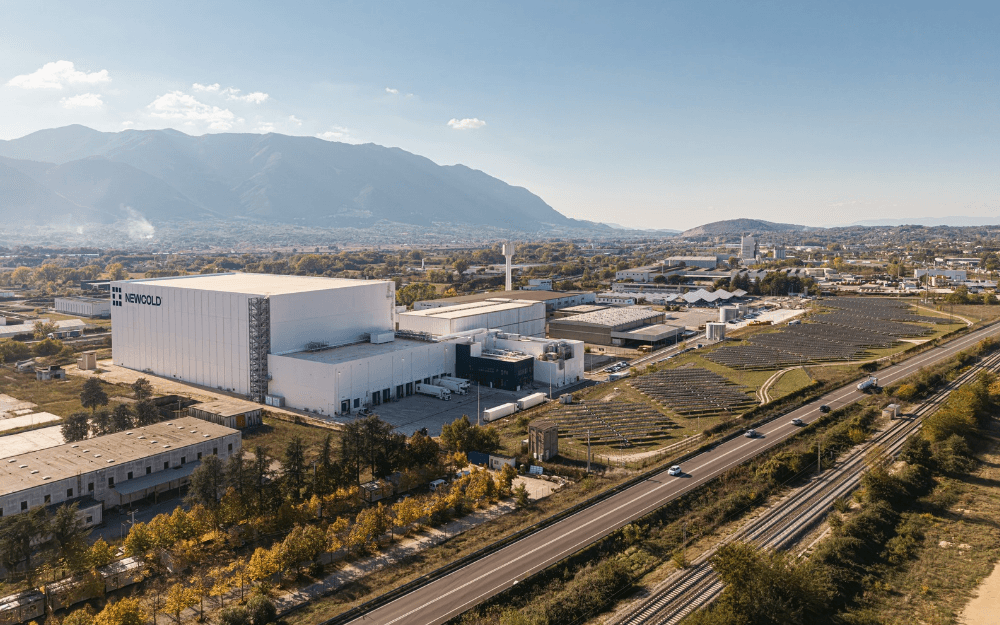
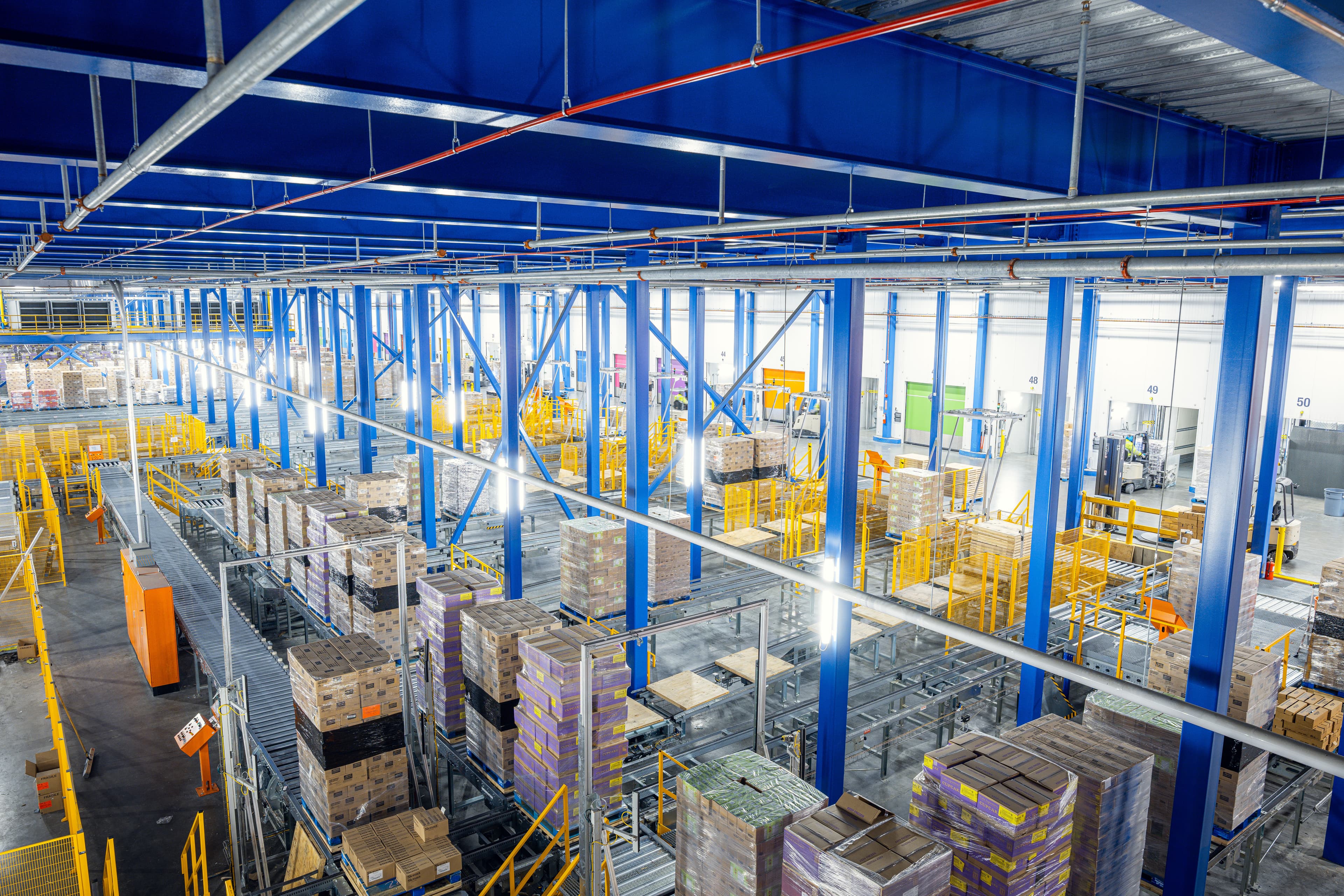
NewCold facilities are designed to move product with extreme precision, not simply store it. Automated systems load, buffer, sequence, and ship pallets at speeds that manual sites cannot match. This allows NewCold to support producers who are reducing stock levels while still increasing service performance.
Examples include:
High volume order handling: NewCold systems process large waves of retailer orders without delay, even during peak promotional periods.
Rapid SKU rotation: Automated ASRS and shuttle systems allow producers to refresh product lines quickly without risking stock imbalance.
Tighter service windows: NewCold sites regularly meet very narrow delivery requirements because automated picking and dispatch flows operate with minute by minute accuracy.
Inventory stability with less stock: By keeping products in motion, NewCold helps producers maintain freshness and quality while carrying less inventory overall.
Network wide visibility: Real time digital control towers provide producers with dependable data that reduces the need for safety buffers.
These are not future capabilities. They are the foundation of how NewCold runs today.
The winners will be the ones who move the fastest
The cold chain is shifting from a storage economy to a movement economy. Producers that redesign their networks for throughput will gain:
The throughput era has arrived. The question is not whether supply chains will adapt but how quickly businesses will respond.
NewCold offers exciting and fulfilling career opportunities around the world.